

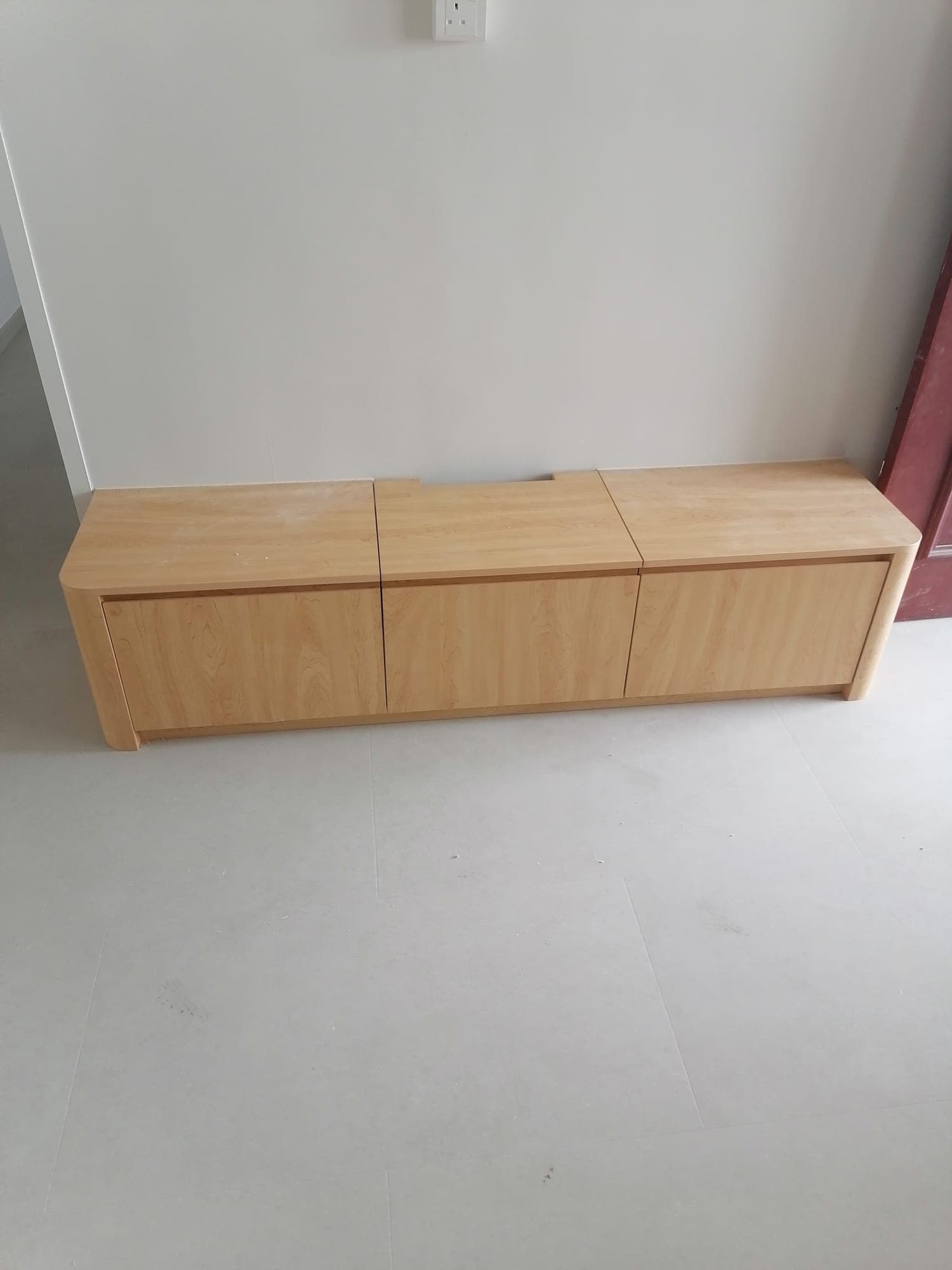
Shoe Cabinet Tips: Stylish & Space-Saving Solutions for Singapore Flats
In Singapore, the shoe cabinet is often the first piece of furniture guests see—and the last thing you deal with after a long, sweaty day. With our tropical climate, limited entryway space (especially in BTO flats), and the local culture of removing shoes indoors, finding the right shoe storage solution is both a design priority and a practical necessity.
A poorly chosen shoe cabinet can mean a cluttered entrance, musty-smelling footwear, and daily frustration. Here is how to choose or design a shoe cabinet that balances style, storage capacity, and ventilation—perfect for Singapore flats.
1. Measure Your Entryway: The "Corridor" Constraint
The first step to shoe cabinet success is understanding the unique geometry of Singapore entryways. Most HDB flats and condos feature one of three entry configurations:
Configuration Challenge Solution
Narrow Corridor Limited width (often < 1.2m); standard 30cm deep cabinets protrude too far Opt for slim-depth cabinets (18–25cm) with vertical shoe storage or tilt-out mechanisms
Recessed Niche A built-in alcove next to the main door; depth varies Go for custom built-in cabinetry to maximize every millimeter of the niche
Open Concept Entry opens directly into living/dining area; no clear "drop zone" Use a low console or bench to define the entrance without blocking the visual flow
Pro Tip: Before shopping, measure your entryway width and depth. Leave at least 80–90cm of walkway clearance after installing the cabinet to comply with HDB fire safety regulations and ensure comfortable passage.
2. Ventilation is Non-Negotiable: Combating Odor and Moisture
Singapore's humidity is the enemy of enclosed shoe storage. A sealed cabinet will trap moisture from sweaty shoes, leading to mold, mildew, and unpleasant odors that can waft through your entire home.
Ventilation Features to Look For:
Slatted or Perforated Doors: The most effective solution. Vertical or horizontal slats allow air to circulate continuously, drying shoes naturally. This is especially important if the cabinet is located in an air-conditioned entryway.
Gap at the Base: A 5–10cm gap between the bottom of the cabinet and the floor serves two purposes: it allows airflow underneath and provides a convenient spot to kick off shoes before placing them inside.
Mesh or Wire-Front Doors: For a more industrial or modern look, mesh panels offer maximum airflow while keeping shoes discreetly hidden.
Built-in Dehumidifier Compartment: Some high-end custom cabinets include a small compartment designed to hold a rechargeable dehumidifier or activated charcoal bags.
Pro Tip: Avoid solid, airtight doors for your main shoe storage. If you prefer the look of solid cabinets, mix in at least one section with slatted doors or leave a portion open for frequently worn shoes.
3. Depth Matters: Standard vs. Slim vs. Angled
Not all shoes are created equal, and neither are shoe cabinet depths. The depth of your cabinet determines what types of footwear it can store.
Depth Best For Considerations
30–35cm Men's sneakers, casual shoes, heels Standard depth; fits most adult shoes placed horizontally
35–40cm Men's size 10+ shoes, boots, shoeboxes Allows for shoebox storage; may protrude in narrow corridors
18–25cm (Slim) Women's flats, sandals, children's shoes Space-saving; shoes must be stored vertically or at an angle
Angled Shelves Mixed household sizes Slanted shelves reduce depth requirements while accommodating larger sizes
Pro Tip: If you have a mix of shoe sizes in your household, consider adjustable shelves. This allows you to customize heights for flats, heels, sneakers, and boots without wasting space.
4. Maximize Capacity: Smart Internal Layouts
A shoe cabinet's external dimensions only tell half the story. The internal configuration determines how many pairs you can actually store.
High-Capacity Design Features:
Tilt-Out Mechanisms: Popular in slim-depth cabinets, these allow shoes to slide in at an angle, accommodating larger sizes without increasing cabinet depth.
Double-Door Access: For corner or wide cabinets, ensure the internal shelving allows full access. A single wide opening often creates "dead zones" in the center where shoes get lost.
Pull-Out Trays: For deep cabinets (40cm+), pull-out trays or drawers prevent shoes from stacking behind one another. You can see every pair at a glance.
Vertical Dividers: Instead of stacking shoes horizontally, vertical dividers allow you to store pairs standing upright—ideal for flip-flops, sandals, and slip-ons.
Capacity Benchmark:
A well-designed 1-meter wide, 30cm deep cabinet with adjustable shelving can comfortably store 20–30 pairs of adult shoes.
5. Multi-Functional Designs: Beyond Just Shoes
In a small flat, every piece of furniture should work harder. The entryway shoe cabinet is the perfect candidate for multi-functionality.
Popular Multi-Functional Shoe Cabinet Ideas:
Shoe Cabinet + Bench: A low cabinet with a cushioned top provides a place to sit while putting on or removing shoes. This is especially useful for families with young children or elderly members.
Shoe Cabinet + Coat/Key Hooks: Extend the cabinet upward with a back panel fitted with hooks for bags, umbrellas, and keys. This creates a complete "drop zone" in a compact footprint.
Shoe Cabinet + Display Niche: Incorporate an open shelf or niche at the top to display decorative items, a small plant, or a catch-all tray for keys and mail.
Shoe Cabinet + Mirror: A full-height cabinet with a mirrored front serves as a last-minute appearance check while discreetly hiding shoes behind reflective panels.
Pro Tip: If you opt for a bench-style cabinet, ensure the bench height is 40–45cm for comfortable seating—standard dining chair height.
6. Style Trends: Making a First Impression
Your shoe cabinet sets the tone for your entire home. Here are the styles currently popular in Singapore flats:
The Scandinavian Slim
Characteristics: Light oak or white laminates, slim profile (18–20cm depth), slender legs or floating mount
Best for: Narrow corridors; minimalist and Scandi-inspired interiors
The Industrial Wire Mesh
Characteristics: Dark matte finishes (charcoal, black) with wire mesh or perforated metal panels
Best for: Modern industrial lofts; prioritizes maximum ventilation
The Japandi Low Console
Characteristics: Natural wood grains, clean lines, low profile (60–80cm height), often with woven rattan door panels
Best for: Warm, organic interiors; open-concept entryways that flow into living areas
The Full-Height Statement
Characteristics: Floor-to-ceiling cabinetry that spans the entire entry wall, often with a mix of closed and open storage
Best for: Larger entryways or flats with a bomb shelter (household shelter) that needs to be integrated into the design